 Our Science & Technology services are focused on
education and learning with applications in art, music therapy, and drum
circles, technology systems such as mobile phones. Our pioneering efforts in learning and
neurological disorders are supported by
our own field research and work with the DiaCeph
Test, Drum Circle
Workshops & Keynotes, Music
& Art Therapy, and our study, Auditory
Sensory Integration and Room Noise. We offer keynotes for fundraising and philanthropy
events.
Our Science & Technology services are focused on
education and learning with applications in art, music therapy, and drum
circles, technology systems such as mobile phones. Our pioneering efforts in learning and
neurological disorders are supported by
our own field research and work with the DiaCeph
Test, Drum Circle
Workshops & Keynotes, Music
& Art Therapy, and our study, Auditory
Sensory Integration and Room Noise. We offer keynotes for fundraising and philanthropy
events.
Our pioneering technology, the DiaCeph Test, for home monitoring of the neurological condition, hydrocephalus, also includes papers and a popular visitor section on hydrocephalus and CNS shunts. Our founder, Stephen Dolle, also speaks as a visionary on hydrocephalus, neurological disorders, artificial intelligence technologies, and public policy (Food & Drug Administration) and law.
AI Systems, Music and Rhythm, Learning, and the Brain
Artificial intelligence, or AI, is a term broadly used to refer to technology or devices which incorporate "interactive logic reasoning" to assist an individual in carrying out cognitive tasks. There are near endless applications of AI possible with technology today. Much of this was made possible through widespread use of computerized chipsets (eg. Intel), by PC makers (eg. Dell), software makers (eg. Microsoft), and Palm devices (eg. Hewlett Packard). AI technologies today are incorporated into everything from automobiles to gaming, multi-media, and communications devices. It is within telecommunications where AI has made the biggest impact today.
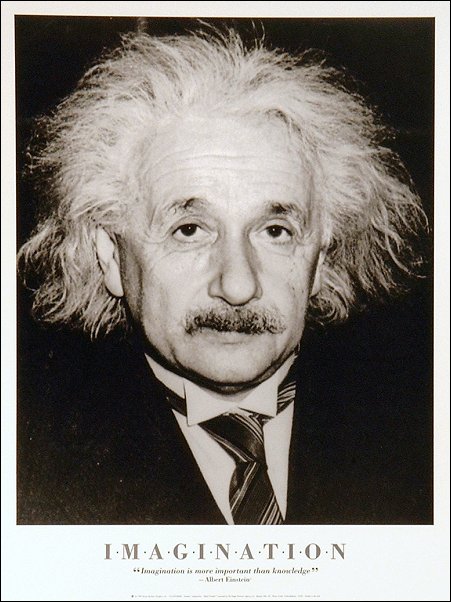 A question
that has confounded scientists for many years is whether
"Spiritual sensation" is actually a "6th Sense." Books, movies, and Spiritual writings
indicate its existence,
yet science has yet to formally confirm it as a sensory function, perhaps as it
tends to occur in certain individuals, and to varying degrees. It appears, at least in part,
to be the foundation
for many of the benefits provided through Compensatory and alternative therapies, and is
viewed as pivotal to creative and intuitive abilities of many modern
artists, scientists, businessmen, religious and political leaders.
A question
that has confounded scientists for many years is whether
"Spiritual sensation" is actually a "6th Sense." Books, movies, and Spiritual writings
indicate its existence,
yet science has yet to formally confirm it as a sensory function, perhaps as it
tends to occur in certain individuals, and to varying degrees. It appears, at least in part,
to be the foundation
for many of the benefits provided through Compensatory and alternative therapies, and is
viewed as pivotal to creative and intuitive abilities of many modern
artists, scientists, businessmen, religious and political leaders.
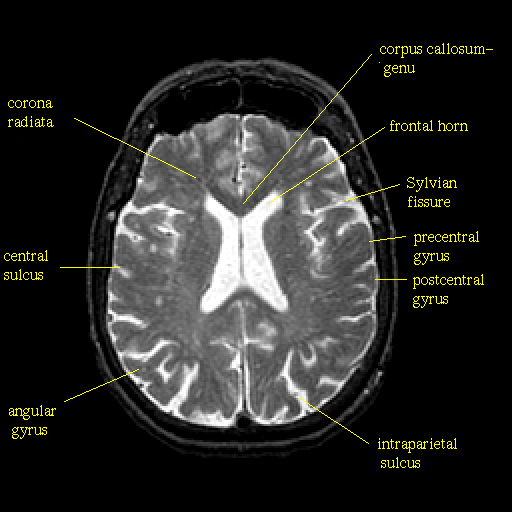
This multi-media guide on the human brain identifies many common structures. AI systems are able to analyze and archive data as observed and input through the brain. In more sophisticated forms, AI can be integrated to transform everyday human thought into a highly sophisticated framework of archiveable experiences, thereby expanding our human capability. There are as yet many functions of the human brain, psyche, and Spirit which we do not understand - and it is technology that is helping us explain these mysteries. AI will help us learn why some individuals after a brain injury or serious illness, seem to develop extraordinary skills and intuition. For instance, cyclist, Lance Armstrong, did not win his first Tour de France until after he underwent an extensive bout with cancer. He writes in his book, "It's Not About the Bike," that the cancer enabled him to reprogram his thinking and acquire new disciplines in his sport. He then went on to win six championships.
There are a number of neuro-compensatory
techniques that have shown efficacy in enhancing cognitive function, pain
management, and overall well-being. These include: biofeedback,
yoga, meditation,
faith and religious
practices, music & art, hypnosis, and
vestibular
therapy. Each
has their strength, and many sub-specialties. Published works detail their
benefits and efficacy. Biofeedback and vestibular therapies
currently incorporate data monitoring. Yoga and meditation could be integrated
into electronic data monitoring. Simple digital recorders can monitor and track
progress with these techniques. In consideration of numerous spiritual practices
today, technology
could also interfere with outcomes by altering the dynamics of free flow
of thought and energy. Where memory and cognition issues are present,
however, AI's usefulness outweighs these concerns.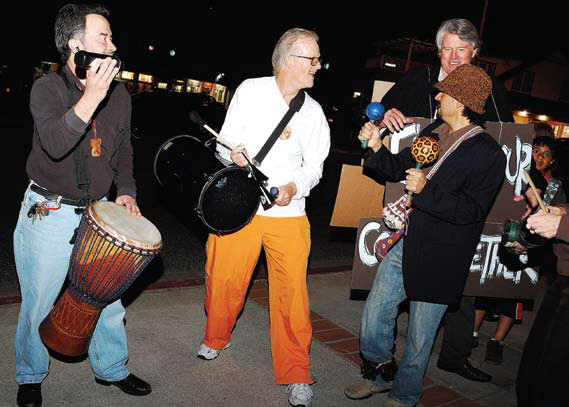
We have explored techniques in Music and Art Therapy and Drum Circles in general health and cognition, and found both to act as a catalyst to learning and better health. We are writing specific application protocols using Drum Circles to improve non-verbal communication in business, sports, and social gatherings. Percussion instruments, such as the djembe drum, induce healing also through Spiritual means. Performing of music & art improves spatial, analytical, and free-thinking cognitive skills, as well as stimulates interest and comprehension in learning (enhanced anticipation factor). These modalities aid those suffering from neurological changes associated stroke, Multiple Sclerosis, Parkinson's Disease, hydrocephalus, dementia, Alzheimer's Disease, and other disorders. The following audio files aid the brain and human spirit: Evening Solstace, drum circle audio 1, drum circle audio 2,and Neuro-Pop Research.
During Orange County's Innovation Month in October 2007, Stephen Dolle, aka
"MacGyver," began offering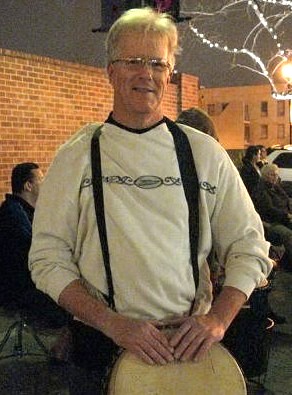 keynotes
and Drum Circle Workshops.
The workshops focus on team building, enhancing non verbal communications, group
syncopation, cognitive focus, health and wellness, and coordination and mobility.
keynotes
and Drum Circle Workshops.
The workshops focus on team building, enhancing non verbal communications, group
syncopation, cognitive focus, health and wellness, and coordination and mobility.
Stephen has published the results of his own study on Auditory Sensory Integration and cognitive function, where he studied the neurological affects of various rhythm patterns on a metronome. He found a striking relationship between waveforms of audible rhythm and cognitive function, and discusses controlled uses of rhythm to therapeutically desensitize or compensate the brains of those most affected by sensory overload. Our findings might help schools understand the challenges that children face in class in grades K through 12, and similarly that employers face in training their work force. Published studies implicate the pressures of modern living and over-exposure to PCs, audio/visual players, electronic gaming, and noise on sensory processing/limitations of the brain.
The TV program 60 Minutes aired a February 2005 feature, "Brain Rangers' Fight Iraq Stress," on the U.S. military's latest efforts in Iraq to thwart "post traumatic stress disorder" among troops in battle. Our Auditory Sensory Integration Study also explored the relationship between headache, neuro-hypersensitivities, and cognitive deficits in hydrocephalus, where complaints involving the hippocampus of the brain are very similar to those experienced by persons with post traumatic stress disorder (PTSD). Our research concurred with the benefits of trying various alternative therapeutic and biofeedback therapies.
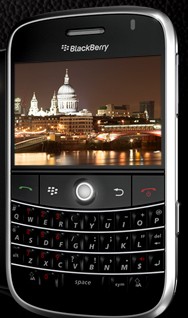 AI technology devices today include mobile
phones, PDA's, digital audio recorders, digital cameras, watches, and
wearable devices. We earlier lobbied Hewlett
Packard's PDA division and others to explore additional AI applications
with PDAs and mobile phones. Ongoing research into "assistive technology"
applications today continues
at the Trace Center in Wisconsin
and the
Coleman Institute in
Colorado. Smart phones have taken the technological lead
in hand held AI
applications. Microsoft
and Apple continue to introduce new platforms for mobile phones, but only a
relatively small percentage of users seems to embrace these phones as AI devices, which
we discuss further under Assistive
Technology and AI
Technology. We also discuss in depth the challenges and mandates posed by
Section 255 of the Telecommunications Act as they apply to accessibility
of mobile phones, PCs, and technology for persons with cognitive
(neurological, learning, aging) disorders.
AI technology devices today include mobile
phones, PDA's, digital audio recorders, digital cameras, watches, and
wearable devices. We earlier lobbied Hewlett
Packard's PDA division and others to explore additional AI applications
with PDAs and mobile phones. Ongoing research into "assistive technology"
applications today continues
at the Trace Center in Wisconsin
and the
Coleman Institute in
Colorado. Smart phones have taken the technological lead
in hand held AI
applications. Microsoft
and Apple continue to introduce new platforms for mobile phones, but only a
relatively small percentage of users seems to embrace these phones as AI devices, which
we discuss further under Assistive
Technology and AI
Technology. We also discuss in depth the challenges and mandates posed by
Section 255 of the Telecommunications Act as they apply to accessibility
of mobile phones, PCs, and technology for persons with cognitive
(neurological, learning, aging) disorders.
In the future, AI will aid people in everyday tasks, especially those with cognitive and memory deficits, and will greatly enhance the mental performance of athletes, firefighters, police, and military personnel. New implantable pain management devices will also be able to read pain physiology and tailor a specific signal for each type/degree of pain. We help companies and organizations through public speaking, consulting, marketing, and public information campaigns.
Our DiaCeph Technology: Non-Invasive Monitoring of Hydrocephalus
 The DiaCeph Test is a neurological software device for non-invasive monitoring of CNS shunts
and hydrocephalus. The device samples specific clinical parameters, and
translates these via a series of algorithms into indicators of shunt performance and
intracranial pressure (ICP). It can help detect early onset of CNS shunt malfunction,
provide shunt performance data, help in selecting the most physiologic shunt,
and help in determining the best pressure setting
in programmable valves. It also helps identify the specific system components that may
need surgical revision. Regular use of this device enables it to function as a disease management
program by archiving detailed data on
patient status over a period of time. It is intended for
use by patients, family members, care givers, medical office staff, physicians,
and researchers, and for patients who are able to respond to queries.
The DiaCeph Test is a neurological software device for non-invasive monitoring of CNS shunts
and hydrocephalus. The device samples specific clinical parameters, and
translates these via a series of algorithms into indicators of shunt performance and
intracranial pressure (ICP). It can help detect early onset of CNS shunt malfunction,
provide shunt performance data, help in selecting the most physiologic shunt,
and help in determining the best pressure setting
in programmable valves. It also helps identify the specific system components that may
need surgical revision. Regular use of this device enables it to function as a disease management
program by archiving detailed data on
patient status over a period of time. It is intended for
use by patients, family members, care givers, medical office staff, physicians,
and researchers, and for patients who are able to respond to queries.
The device was designed by Stephen Dolle to bring progress to the use of CNS shunts for hydrocephalus. He observed a void in the availability of "efficacious diagnostic technology" for CNS shunt malfunction and valve matching. The DiaCeph Test has been described as a visionary approach to understanding in-vivo performance of CNS shunts. The technology remains current, with no technology yet filling this diagnostic void. Our updated paper, Shunt Selection Model, discusses the latest practices and our protocol with the DiaCeph Test and in-office ICP shunt tap.
CNS Shunt Technology: Management of Hydrocephalus
 Our site hosts leading research, diagnostic technology, and regulatory affairs
insights on CNS shunts used in the treatment of hydrocephalus.
This condition results when excess cerebral spinal fluid (CSF) accumulates inside
the
brain. It occurs in-utero, and can follow brain tumors, cysts, trauma, meningitis, adolescent changes, and older age.
The National Institute of Neurological
Disorders and Stroke provides medical information and links on
hydrocephalus and other neurological disorders. A great deal of our
neurosciences content is applicable to brain injury and neurological disorders,
such as migraines, Alzheimer's Disease, dementia, Parkinson's Disease, and
learning disabilities. You can navigate these application through the
Neurosciences, Music and AI Research links below.
Our site hosts leading research, diagnostic technology, and regulatory affairs
insights on CNS shunts used in the treatment of hydrocephalus.
This condition results when excess cerebral spinal fluid (CSF) accumulates inside
the
brain. It occurs in-utero, and can follow brain tumors, cysts, trauma, meningitis, adolescent changes, and older age.
The National Institute of Neurological
Disorders and Stroke provides medical information and links on
hydrocephalus and other neurological disorders. A great deal of our
neurosciences content is applicable to brain injury and neurological disorders,
such as migraines, Alzheimer's Disease, dementia, Parkinson's Disease, and
learning disabilities. You can navigate these application through the
Neurosciences, Music and AI Research links below.
CNS shunts have been in routine use since the late 1950's. It's only been in the last 15 years that any significant advances have come in CNS shunt technology. During the 1970s and 1980s, ASD and SCD anti-siphon shunting devices were introduced, but were later discovered to pose mysterious quality assurance and performance issues. Mr. Dolle summarized those in a 1996 FDA Petition. His efforts then led to the FDA's 1999 STAMP Conference, where he authored a FDA Guidance Paper on CNS Shunts. He guided much of the Food and Drug Administration's recent modernization in its oversight of CNS shunts, and invented the 1st ever home monitoring device for people with CNS shunts, the DiaCeph Test.
The FDA has, at times, stood in the way of progress to new CNS shunt technology, and only began regulating these devices in 1976. Outdated policies have imposed unfounded obstacles on new technology, leading to higher medical costs. More recent auto-regulating and programmable shunts have brought renewed hope to user neurosurgeons and patients, with the biggest advance being the programmable (Hakim) shunt introduced by Johnson & Johnson/ Codman. A form of hydrocephalus, known as normal pressure hydrocephalus (NPH), also received special media attention in 2004 in a TV program aired by 60 Minutes II, "Saved From Senility."
See our November 2005 updated paper, Shunt Selection Model, with lots of new content and designed to aid neurosurgeons in pre-surgical shunt selection, selecting the most physiologic pressure setting in programmable shunts, and numerous other applications. Enlargement of the ventricles, which occurs in hydrocephalus, can also exert pressure and interfere with the function of the hippocampus of the brain, critical in memory. These complaints can mask as shunt malfunction or valve mismatch, and be misleading to neurosurgeons when revising a shunt. These neurological changes are best evaluated separately by PET (positron emission tomography), fMRI (functional MRI) imaging, or possibly neuropsych testing.
We present favorable results from our own study on Neuro-Compensatory Mechanisms, as an aid in managing chronic neurological complaints seen in hydrocephalus and many neurological disorders, including post traumatic stress disorder (PTSD). Our study focused on mechanisms known to stimulate the hippocampus. Our paper also correlates well with CNN's March 27, 2005 "Memory" Series of PTSD and the hippocampus. Read the full CNN Program Transcript.
Machine Tool Book: "William Lodge: A 19th Century Entrepreneur"
In a retrospective look at technology and innovation in
the late 19th Century, a new book, William Lodge: A 19th Century Entrepreneur,
by the late
W. L. Dolle, Jr.,
examines the life and career of William Lodge who guided major advances in the machine tool
industry in the 19th
and 20th Centuries and helped Cincinnati earn the title of "Machine Tool
Capitol of the World." 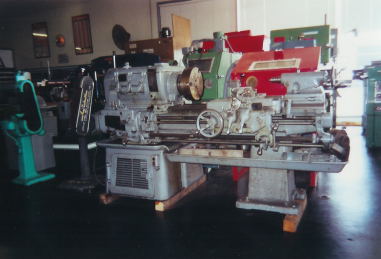
In summary, we believe Science and Technology is an invaluable aid in the human experience, and that we must also continue to weigh its benefits against trade-offs in human and planetary resources. Over the last 150 years, it has enabled extraordinary advances in health care, transportation, energy, housing, education, communications, personal well being, and quality of life. Our vision and comprehension on these topics is an invaluable resource to developing companies.
For more information, contact us here.